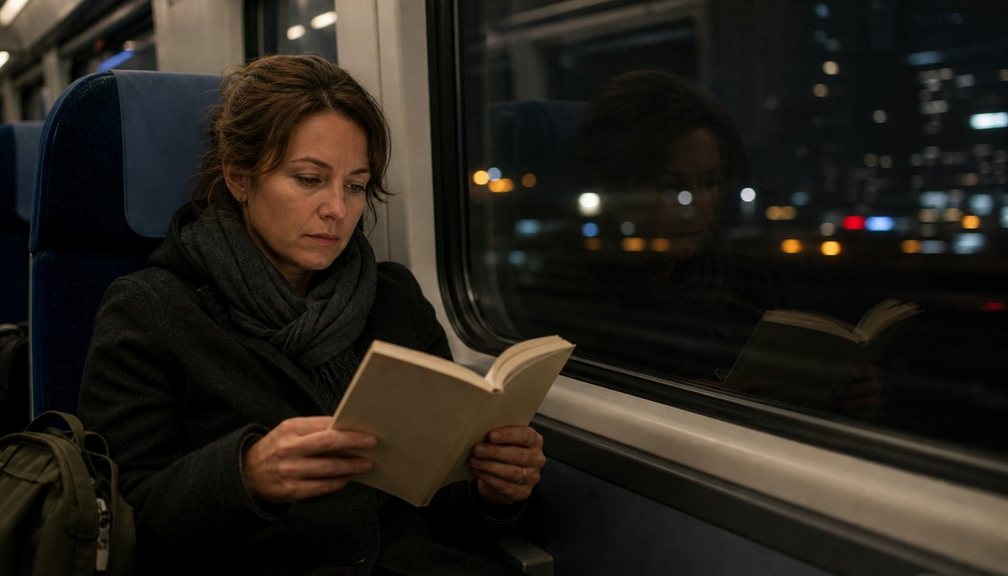
Choose the experience you want, not the label that sounds most prestigious. Start with a cozy mystery for a lighter, socially intimate world; a locked-room mystery for an apparently impossible puzzle; a police procedural for official investigative work; a legal mystery or thriller for lawyers and case strategy; hard-boiled detective fiction for street-level danger and corruption; or psychological suspense for intimate uncertainty and forward peril. These categories overlap, but comparing tone, likely intensity, investigative method and the story's driving question gives you a dependable first direction.
Quick guide
Choose by the reading experience you want because mystery and crime-fiction labels overlap.
Cozy usually signals a lighter social world, while locked-room signals an apparently impossible puzzle.
Police procedurals foreground official investigation, while legal stories foreground lawyers, accusation and case strategy.
No broad label guarantees an individual book's intensity, so check title-specific information when you have firm boundaries.
How should you choose when mystery labels overlap?
Choose with four signals: emotional tone, likely on-page intensity, who investigates and how, and whether the strongest pull is what happened or what may happen next. This framework is a reader's navigation tool, not an official taxonomy. Libraries, publishers, bookshops and readers can classify the same novel differently, and one story may comfortably combine an impossible puzzle, a police investigation and psychological tension.
Tone describes the emotional atmosphere: comforting, playful, methodical, bleak, tense or something between those points. Intensity asks what is likely to appear directly on the page, but it cannot be inferred perfectly from mood. A dark, brooding novel need not be graphically violent, while a visually restrained mystery may still revolve around disturbing events. If a particular subject matters to you, treat the label as an initial signal only.
Method and driving question usually separate similar-looking choices more clearly. An amateur drawing on local relationships creates a different rhythm from a squad using institutional resources or a lawyer testing rival accounts. Meanwhile, a classic mystery often pulls backwards towards an explanation of what happened, whereas suspense more often adds the forward fear of what will happen next. Many novels carry both forms of momentum.
The best mystery label is not a box for the book; it is a compass for the reading experience you want.
Do you want social comfort or an apparently impossible puzzle?
Choose a cozy mystery for a generally lighter social world and amateur investigation; choose a locked-room mystery when the central delight is explaining an apparently impossible crime. The first signal is mainly about tone, community and restrained explicitness. The second is about puzzle design. A locked-room story can therefore be cerebral without being gentle, and a cozy can contain a serious crime without dwelling on graphic detail.
A cozy commonly places an amateur sleuth in a socially intimate setting where conversations, observation, local knowledge and ordinary expertise help uncover the truth. The pleasure often comes from reading relationships as closely as physical evidence. Explicit violence, sex and language are usually restrained, making cozy the clearest lower-explicitness signal among these choices. Even so, it is not a promise that nothing upsetting occurs.
A locked-room mystery begins with the sense that the crime could not have happened under the conditions presented. The reader's question is not merely who did it, but how the apparent impossibility was produced. An isolated bungalow, a train compartment or a small group of suspects does not automatically create this form; that is only a closed circle unless the method itself demands explanation. Fair-play versions invite active reasoning and aim for a solution that surprises while remaining coherent.
Do you want official investigation or a legal contest over the case?
Choose a police procedural when official investigators and organised casework should drive the story; choose a legal mystery or thriller when lawyers, disputed accounts and case strategy should take centre stage. Both routes use institutions, but their dramatic arenas differ. The procedural follows the work of investigating, while the legal route concentrates on how an accusation is challenged, defended or reframed.
A police procedural may follow one officer or a cooperating squad through interviews, evidence work, specialist resources, competing priorities and institutional friction. Its tone is often methodical and work-focused, yet the balance varies: one novel may linger on process, another on action, the solution or investigators' personal lives. The label therefore tells you who works the case more reliably than it predicts pace or graphic content.
Legal mysteries and thrillers place lawyers, accusation, defence strategy, justice and disputed truth near the centre. Important action may happen in chambers, offices, homes or investigative settings as well as courtrooms. Some books emphasise argument and the testing of evidence; others lean towards suspense or personal jeopardy. Neither institutional label guarantees an accurate account of real police or legal practice, and fiction should not be treated as practical guidance.
Do you want street-level grit or inward uncertainty?
Choose hard-boiled detective fiction for an investigator facing external danger and corruption; choose psychological suspense when pressure gathers around memory, motive, perception, secrecy and trust. Both may feel dark, but the darkness lands differently. Hard-boiled fiction sends its investigator through a threatening social world, while psychological suspense makes uncertainty within relationships and viewpoints part of the danger.
The conventional hard-boiled investigator is streetwise, disenchanted and exposed to confrontation, compromised institutions and moral pressure while pursuing some limited measure of justice. Endurance and movement through the world matter more than a sheltered intellectual exercise, although a hard-boiled novel may still contain a carefully built whodunit. Do not use noir as an automatic substitute: a title may carry both signals, but each needs its own explanation.
Psychological suspense turns investigation inward without requiring an unreliable first-person narrator, a particular profession or one standard plot device. Fear, hidden motives, uncertain memories and doubt about whom to trust may matter as much as formal evidence gathering. Its momentum often leans towards what may happen next, even when the story also solves a past crime. As with hard-boiled fiction, the label signals pressure more reliably than graphic content.
Six mystery and crime-fiction entry points compared by reading experience
Subgenre and typical tone
Likely on-page intensity
Investigator or method
Driving reader question
Cozy mystery — generally lighter and socially intimate
Usually restrained, but not guaranteed gentle
Amateur sleuth using observation, relationships and local knowledge
What happened within this community?
Locked-room mystery — cerebral; tone varies
Not predictable from the puzzle label
Reasoning through an apparently impossible crime
How could this have happened?
Police procedural — often methodical and work-focused
Varies by title
Police investigators using teamwork and institutional resources
How will the official investigation solve the case?
Legal mystery or thriller — strategic and contested
Varies from measured argument to strong peril
Lawyers testing evidence, accusations and competing accounts
Which account can survive the legal contest?
Hard-boiled detective fiction — typically gritty and disenchanted
Often feels intense, but explicitness varies
Streetwise investigator confronting danger and corruption
What justice remains possible in this world?
Psychological suspense — intimate and uncertain
Often tense; graphic content varies
Attention to motive, perception, secrecy and trust
What is true, and what may happen next?
How can you test a subgenre without making a big commitment?
Test one route with a standalone novel or a series opener, then judge the experience across the same four signals. Before choosing, name the pleasure you want most: social comfort, an impossible puzzle, official method, a legal contest, street-level grit or psychological uncertainty. A library copy, ebook sample or borrowed audiobook can keep the experiment low-commitment while still revealing the book's voice and method.
Pick the investigative experience you are most curious about.
Check the description for tone and likely intensity rather than relying on the shelf label alone.
Sample one standalone or series opener.
Note which tone, method and driving question worked for you.
Use those signals to choose the next book, even if it carries a different label.
If you enjoyed the method but disliked the tone, try another title under the same broad label. Mystery categories contain substantial variation in pace, setting, action and character emphasis, so one disappointing police procedural or cozy does not represent the entire route. Conversely, if the atmosphere worked but the method did not, carry the preferred tone into a different category rather than forcing yourself to persist.
When none of the six labels fits neatly, combine signals in your request to a librarian or knowledgeable bookseller. Ask for a logic-led puzzle with restrained explicitness, an official investigation with stronger character focus, or psychological uncertainty without relentless peril. Specific combinations are more useful than insisting on one perfect category. If you have firm boundaries around violence or other material, consult the individual book's description or content notes before borrowing or buying.
Frequently asked questions
What are the main types of mystery novels?
Six useful entry points are cozy mystery, locked-room mystery, police procedural, legal mystery or thriller, hard-boiled detective fiction and psychological suspense. They are overlapping reader signals, not a complete taxonomy, and some extend into neighbouring crime, suspense and thriller traditions.
What is the difference between a cozy mystery and a police procedural?
A cozy mystery typically has a lighter, socially intimate setting and an amateur sleuth who relies on observation, conversation and community knowledge. A police procedural foregrounds official investigators, teamwork, specialist resources and organised casework. Neither label guarantees the intensity of an individual title.
Is a locked-room mystery the same as a closed-circle mystery?
No. A closed-circle mystery limits the likely suspects, often through an isolated setting or shared situation. A locked-room mystery specifically centres an apparently impossible crime whose method requires a logical explanation, though one book can use both designs.
What does hard-boiled mystery mean?
Hard-boiled detective fiction conventionally follows a streetwise, disenchanted investigator through danger, corruption and moral pressure. The investigator pursues some limited measure of justice in a threatening social world. Hard-boiled should not automatically be treated as another word for noir.
What is the difference between a locked-room mystery and psychological suspense?
A locked-room mystery foregrounds a logic-led explanation for an apparently impossible crime. Psychological suspense foregrounds uncertainty about motive, perception, secrecy, memory and trust, often adding a stronger fear of what may happen next. A novel can combine both forms.
References & Sources
This article was researched using the following sources:
We write the reading guides we wanted and could not find. Our recommendations lean on reputable sources and bibliographic records, and we say plainly when something is a matter of taste. AI assists with research and drafting, and every guide is checked against its sources before it goes out.